
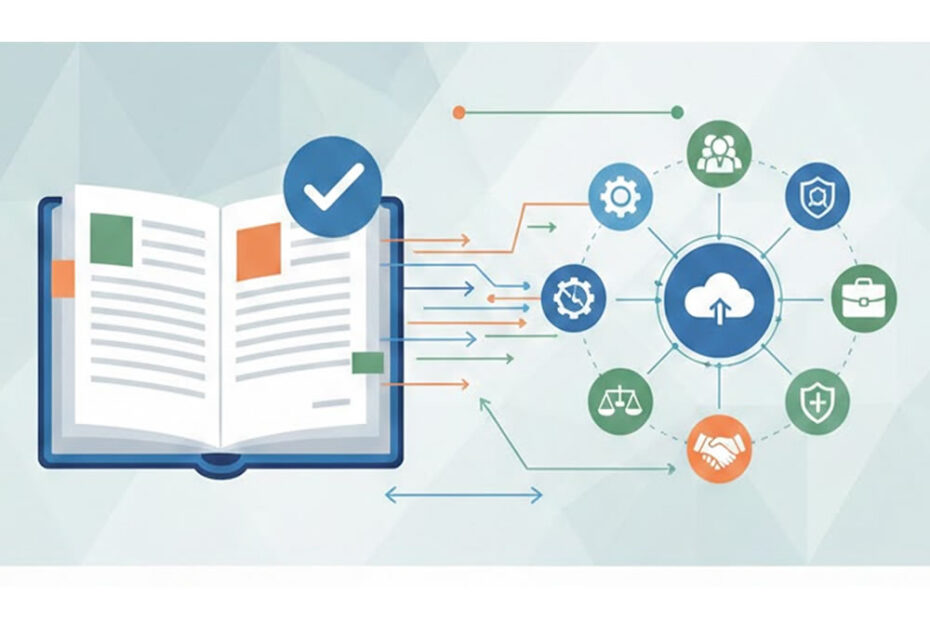
Maintaining accurate and up-to-date company records is one of the most overlooked yet vital aspects of running a successful business. For small and medium-sized enterprises (SMEs), understanding and properly managing company records is not just a regulatory requirement — it is a cornerstone of sound business management, sustainable growth, and long-term stability.
This guide provides a detailed, actionable roadmap for SMEs on why updating company records properly matters, how it benefits your business, and practical steps for implementation.
Why Accurate Company Records Matter
Company records encompass a wide range of documentation, including:
-
Statutory records: Incorporation documents, shareholder registers, and minutes of meetings.
-
Financial records: Accounts, invoices, receipts, and tax filings.
-
Operational records: Employee details, contracts, and licences.
Keeping these records current is not only a legal obligation in most jurisdictions, including under the Companies and Allied Matters Act (CAMA) in Nigeria, but it also provides a clear picture of your business’s health. Outdated or incorrect records can lead to regulatory penalties, poor financial decisions, and diminished investor confidence.
Benefits of Updating Company Records Properly
1. Regulatory Compliance and Risk Mitigation
Regularly updating records ensures compliance with regulatory authorities, such as corporate registries and tax agencies. This reduces the risk of fines, legal disputes, and reputational damage. SMEs that maintain compliant records are also better positioned to attract investors or secure financing.
2. Enhanced Decision-Making
Accurate records provide real-time insight into your company’s operations, finances, and ownership structure. This empowers business leaders to make informed decisions, such as evaluating cash flow, assessing profitability, or planning expansion.
3. Strengthened Stakeholder Confidence
Investors, partners, and lenders expect transparency. Up-to-date records demonstrate professionalism and governance discipline, instilling confidence that the business is well-managed and trustworthy.
4. Support for Sustainable Growth
Businesses that consistently maintain proper records can identify trends, monitor performance, and anticipate risks. This proactive approach lays a foundation for long-term stability and scalable growth, rather than reactive problem-solving.
Practical Steps to Update Company Records Correctly
1. Review Legal and Statutory Obligations
Identify all documents your business is required to maintain, such as:
-
Certificate of Incorporation
-
Memorandum and Articles of Association
-
Shareholder and director registers
-
Minutes of board meetings
Ensure these are accurate and reflect any changes, such as changes in directors, shareholdings, or company address.
2. Maintain Financial Accuracy
Update accounting records promptly, including:
-
Sales and purchase ledgers
-
Bank reconciliations
-
Tax filings and deductions
Use digital accounting software for accuracy, audit readiness, and real-time reporting.
3. Keep Operational Records Current
Regularly review contracts, employment records, licences, and permits. Ensure they are renewed, amended, or terminated as required.
4. Implement a Record Management System
Invest in a system — digital or hybrid — that categorises, stores, and secures company records. Include:
-
Version control for documents
-
Secure backups
-
Access logs for transparency
5. Establish a Routine Update Schedule
Set clear responsibilities and timelines for record review. For example:
-
Monthly financial reconciliations
-
Quarterly statutory review
-
Annual comprehensive audit
Consistency ensures nothing slips through the cracks.
Common Mistakes to Avoid
-
Neglecting updates after organisational changes: Every change in directors, shareholders, or registered address must be recorded immediately.
-
Relying solely on physical records: Paper documents can be lost or damaged; digital backups are essential.
-
Ignoring small inaccuracies: Even minor errors in records can escalate into compliance issues or misinformed decisions.
Real-World Applications for SMEs
-
Raising Investment: Accurate shareholder registers and financial statements streamline funding negotiations.
-
Bank Loan Applications: Updated financial records improve credibility with lenders.
-
Audits and Tax Reviews: Ready-to-present records reduce audit stress and ensure compliance.
-
Strategic Planning: Reliable operational data guides expansions, hiring, and market entry decisions.
Conclusion
Updating company records properly is far more than a bureaucratic obligation. It is a strategic practice that enhances compliance, boosts decision-making, instils confidence, and supports sustainable growth. For SMEs aiming to thrive in competitive markets, investing time and resources into accurate record management is not optional — it is essential.
By implementing the steps outlined above, SMEs can build a strong foundation for transparent governance, efficient operations, and long-term business success.