
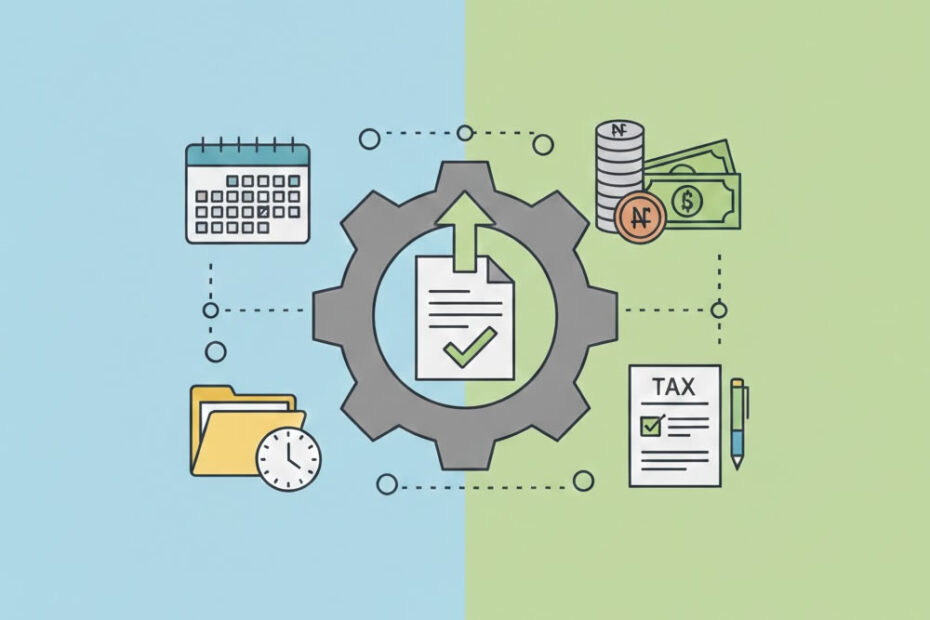
Filing annual returns is a critical compliance obligation for every business, regardless of size. Yet, many small and medium-sized enterprises (SMEs) struggle to understand its significance, deadlines, and benefits. This article provides a practical, in-depth guide to filing annual returns, helping business owners make informed decisions that promote long-term stability and growth.
What Are Annual Returns?
An annual return is a formal document that a company must submit to the corporate regulatory authority—such as the Companies and Intellectual Property Commission (CIPC) in South Africa, Companies House in the UK, or the Corporate Affairs Commission (CAC) in Nigeria. It provides up-to-date information about the company’s structure, management, and financial standing.
Typical details include:
-
Registered company name and number
-
Shareholders and shareholding structure
-
Directors and company officers
-
Registered office address
-
Statement of authorised share capital
-
Any changes since the last return
Annual returns are distinct from annual financial statements. While financial statements report the company’s financial performance, annual returns focus on corporate governance and statutory compliance.
Why Filing Annual Returns Matters
-
Legal Compliance
Failing to file annual returns can result in penalties, fines, or even the striking off of the company from the official register. Compliance demonstrates that the business operates within the law, building credibility with authorities, investors, and clients. -
Maintaining Good Corporate Standing
A company in good standing signals reliability. It is easier to secure bank accounts, business loans, government contracts, and partnerships when annual returns are up-to-date. -
Transparency and Accountability
Annual returns provide a snapshot of ownership and management. This transparency helps resolve disputes among shareholders and ensures accountability among directors. -
Supporting Strategic Decisions
Regular filings encourage SMEs to review their corporate structure and operational status. This can inform strategic decisions, such as bringing in new investors, restructuring ownership, or expanding operations. -
Sustainable Growth and Long-Term Stability
Consistent compliance creates a culture of discipline within the organisation. Businesses that maintain proper records and timely filings are better positioned for sustainable growth and resilience against legal or financial risks.
Step-by-Step Guide to Filing Annual Returns
Step 1: Gather Required Information
Collect all necessary company information:
-
Director and shareholder details
-
Registered address
-
Company registration number
-
Changes in shareholding or directorship
Step 2: Review Compliance Status
Check if the company has any pending obligations, such as overdue filings, unpaid fees, or outstanding penalties.
Step 3: Complete the Annual Return Form
Most jurisdictions provide an online portal for submission. Forms may require details on:
-
Company classification
-
Share capital
-
Changes in management or address
-
Declaration of compliance
Step 4: Submit and Pay Fees
Submit the completed form and pay the statutory filing fee. Keep proof of submission for your records.
Step 5: Confirm Filing Acceptance
After submission, ensure you receive confirmation from the regulatory body. This ensures your company remains in good standing.
Common Mistakes to Avoid
-
Late Filing: Leads to fines or suspension.
-
Incomplete Information: Omissions can trigger audits or legal complications.
-
Ignoring Updates: Changes in directors, shareholders, or registered address must be reflected.
-
Mixing Financials with Returns: Filing financial statements in place of annual returns does not fulfil statutory requirements.
Real-World Application for SMEs
Consider a growing SME seeking investment. A potential investor will check the company’s compliance records. Companies with up-to-date annual returns present a credible, professional image, making them more attractive for funding. Conversely, non-compliance can derail investment opportunities and damage reputation.
Filing annual returns also ensures that management periodically reviews corporate data, enabling timely decisions on ownership structure, expansions, and regulatory adherence.
Tips for Streamlining the Process
-
Maintain an updated company register throughout the year.
-
Set reminders for filing deadlines.
-
Use online portals to submit returns efficiently.
-
Engage a qualified accountant or company secretary if needed.
-
Review previous filings to ensure consistency.
Conclusion
For SMEs, filing annual returns is more than a regulatory obligation—it is a strategic tool for maintaining credibility, enabling informed decision-making, and fostering sustainable growth. Businesses that prioritise timely and accurate filings protect themselves from penalties, gain investor confidence, and build a foundation for long-term stability.
Action Point: Review your company’s last filing date today, gather the necessary information, and ensure your annual return is submitted accurately and on time.