
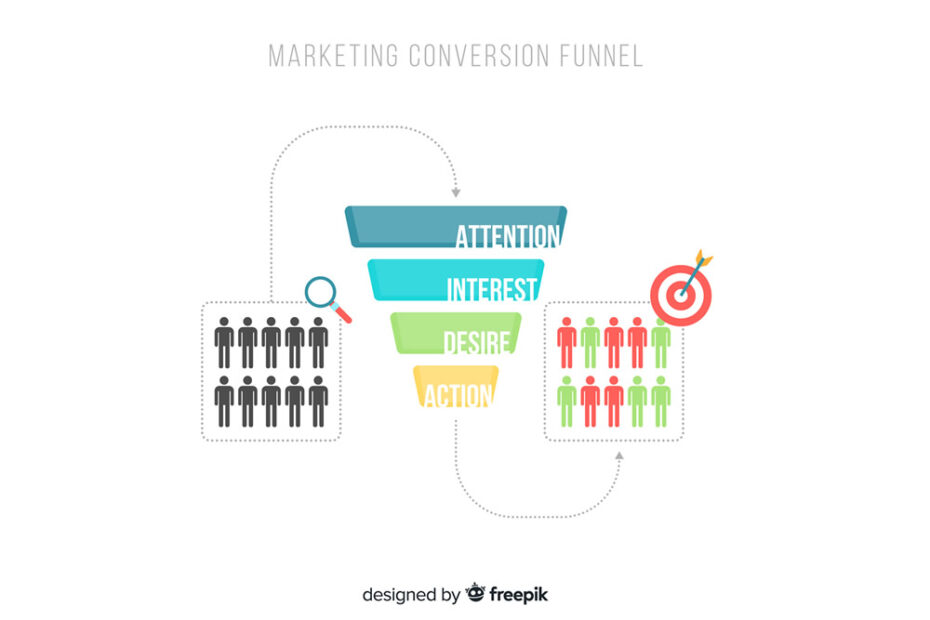
Every business wants more customers, but the path from initial awareness to a completed sale is rarely straightforward. This journey is often visualised as a sales funnel, a strategic framework that helps businesses convert strangers into paying and loyal customers.
Understanding the sales funnel is crucial for SMEs aiming to improve revenue, make better business decisions, and build sustainable growth.
Understanding the Sales Funnel
A sales funnel represents the journey a potential customer takes from first encountering your business to making a purchase. It is called a funnel because, like a real funnel, many prospects enter at the top, but only a smaller proportion complete the journey to the bottom as customers.
At its core, a sales funnel provides structure, allowing businesses to focus efforts strategically rather than hoping sales happen by chance.
Stages of a Sales Funnel
While different models exist, the sales funnel is typically divided into four main stages:
1. Awareness (Top of the Funnel – TOFU)
At this stage, potential customers are strangers. They may not know your business exists or understand the problem your product/service solves.
Key objectives:
-
Increase visibility through marketing campaigns, social media, SEO, or networking
-
Educate prospects about the value your business provides
Actionable tips for SMEs:
-
Create blog posts, videos, or social content that addresses common customer pain points
-
Use paid ads targeted to your ideal audience
-
Leverage referrals and word-of-mouth
Benefits:
-
Builds brand recognition
-
Generates a pool of potential leads for the next stage
2. Interest and Engagement (Middle of the Funnel – MOFU)
Once prospects are aware of your business, the goal is to engage and nurture them. At this stage, they show interest but may not be ready to buy.
Key objectives:
-
Capture leads through forms, newsletters, or gated content
-
Build trust and credibility through consistent communication
-
Segment leads based on behaviour or interests
Actionable tips for SMEs:
-
Offer free resources such as e-books, webinars, or guides
-
Send personalised emails addressing specific pain points
-
Share case studies or testimonials
Benefits:
-
Strengthens relationships with prospects
-
Moves leads closer to purchase readiness
3. Decision (Bottom of the Funnel – BOFU)
At this stage, prospects are considering making a purchase. They are evaluating your product or service against competitors and looking for reassurance.
Key objectives:
-
Provide clear, compelling offers
-
Reduce friction in the buying process
-
Demonstrate the value and ROI of your solution
Actionable tips for SMEs:
-
Offer free trials, demos, or consultations
-
Highlight guarantees, competitive advantages, or success stories
-
Ensure seamless purchasing or signup experience
Benefits:
-
Converts interested leads into paying customers
-
Builds confidence and trust in your brand
4. Retention and Advocacy (Beyond the Funnel)
While technically beyond the traditional funnel, post-purchase engagement is critical for long-term growth. Happy customers can become repeat buyers and brand advocates.
Key objectives:
-
Maintain ongoing communication
-
Encourage repeat purchases and referrals
-
Collect feedback for continuous improvement
Actionable tips for SMEs:
-
Implement loyalty programmes or exclusive offers
-
Send personalised follow-ups and satisfaction surveys
-
Encourage reviews and referrals
Benefits:
-
Reduces customer acquisition costs
-
Drives sustainable revenue growth
-
Strengthens brand reputation
Why Sales Funnels Matter for SMEs
-
Improved Understanding of Customer Behaviour
-
Visualising the funnel helps SMEs identify where prospects drop off and optimise processes accordingly
-
-
Better Business Decision-Making
-
Data from each stage informs marketing, sales, and product strategies
-
-
Sustainable Growth and Stability
-
A structured approach ensures a steady flow of new customers while retaining existing ones
-
-
Efficient Resource Allocation
-
Focus marketing and sales efforts where they are most effective, rather than spreading resources thinly
-
Practical Tips for Implementing a Sales Funnel
-
Map your customer journey: Identify touchpoints from awareness to purchase
-
Use a CRM system: Track leads, interactions, and conversions for data-driven decisions
-
Automate where possible: Email sequences, follow-ups, and lead scoring save time and increase efficiency
-
Test and optimise: Analyse metrics such as conversion rates at each stage and refine strategies continuously
Conclusion
A sales funnel is not just a concept—it is a practical framework for turning strangers into customers and driving sustainable business growth. For SMEs, understanding and implementing a sales funnel enables better decision-making, improves efficiency, and builds a foundation for long-term success.
By carefully guiding prospects through the stages of awareness, engagement, decision, and retention, businesses can consistently convert leads into loyal customers, maximise revenue, and create a scalable, sustainable growth model.