
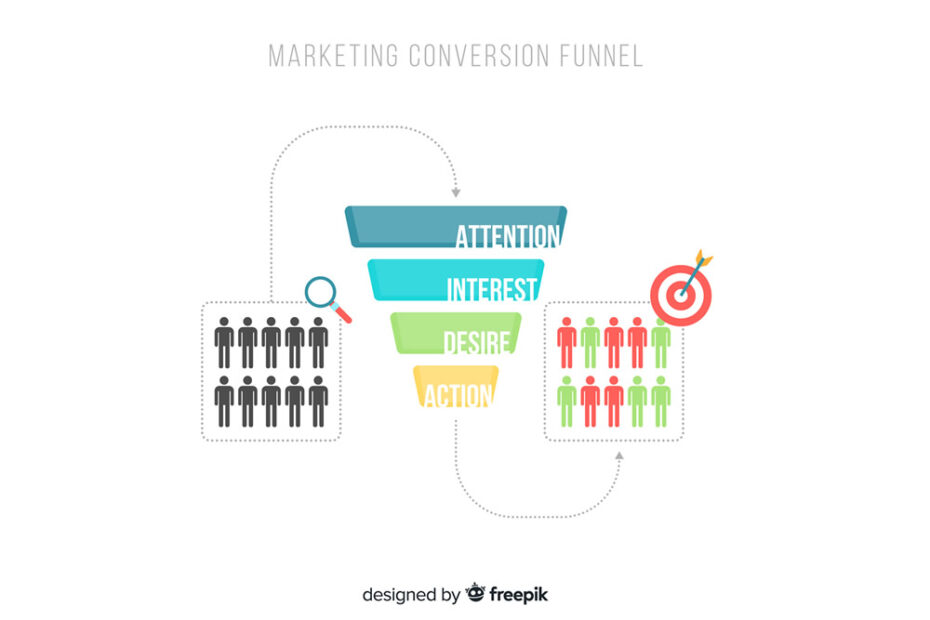
Introduction: Why Most Funnels Fail SMEs
Many SMEs invest time and money building sales funnels—lead magnets, email sequences, ads, CRMs—yet still struggle with low conversions and stalled growth. The problem is rarely effort or ambition. It is misalignment.
Most sales funnels are designed around how businesses want customers to buy, not how customers actually buy.
When your funnel does not reflect real buying behaviour, you experience high drop-off rates, long and unpredictable sales cycles, poor lead quality, and wasted marketing spend.
Matching your funnel to how customers buy is not optional. For SMEs, it is essential for better decision-making, predictable revenue, and long-term business stability.
This article explains what that alignment really means, why it matters, and how SMEs can apply it in the real world.
What “Matching Your Funnel to How Customers Buy” Really Means
At its core, a sales funnel should mirror the customer’s decision journey, not your internal sales process.
Customers do not move neatly from awareness to interest to decision to purchase. In reality, they research before contacting you, compare options repeatedly, pause and return, delay decisions, and seek reassurance at multiple points.
Matching your funnel to how customers buy means understanding how customers discover you, knowing the questions they ask at each stage, delivering the right information at the right time, and removing friction from their decision process.
When this alignment exists, your funnel feels helpful rather than pushy, and conversions improve naturally.
Why This Matters for SMEs
Better Understanding of Customer Behaviour
A customer-aligned funnel forces SMEs to stop guessing and start observing. You gain clarity on where leads truly come from, why prospects stall, and what objections appear repeatedly. This understanding leads to smarter marketing and sales strategies.
Improved Quality of Business Decision-Making
When your funnel reflects real buying behaviour, your data becomes reliable. You can confidently decide which channels deserve more investment, where to strengthen or shorten the funnel, and when automation is helpful versus when human interaction is necessary. This reduces reactive and emotional decision-making.
Support for Sustainable Growth and Long-Term Stability
Funnels aligned with buying behaviour convert better without aggressive selling. They build trust, strengthen credibility, and create repeat customers rather than one-off transactions. This is the foundation of sustainable growth for SMEs.
Understanding How Customers Actually Buy
Before adjusting your funnel, you must understand real customer behaviour.
Customers Are Self-Educated
Today’s buyers research extensively through search engines, social media, reviews, and peer recommendations. If your funnel does not support self-education, you lose prospects before meaningful engagement begins.
Customers Need Reassurance, Not Pressure
Most hesitation comes from perceived risk, cost concerns, and fear of making the wrong decision. Funnels that apply pressure too early create resistance instead of confidence.
Customers Compare Continuously
Even after engaging your business, prospects are still comparing alternatives. Your funnel must consistently reinforce why your solution is the best fit.
Aligning Funnel Stages with Buying Behaviour
Stage One: Discovery and Problem Recognition
Customers at this stage are seeking clarity, not sales messages. Your funnel should focus on educational content such as blog posts, guides, and explanations that demonstrate understanding of their challenges. A common SME mistake is attempting to sell too early instead of educating first.
Stage Two: Research and Evaluation
At this stage, customers are comparing solutions. Your funnel should provide case studies, comparison content, FAQs, and nurturing emails that answer objections. Many SMEs fail here by focusing on features instead of outcomes and results.
Stage Three: Decision and Trust Building
Customers now want confidence and reassurance. Your funnel should offer clear next steps, transparent pricing or processes, testimonials, and human interaction such as calls or demos. Hiding information or complicating the process often causes deals to stall.
Stage Four: Purchase and Post-Purchase Experience
Buying does not end at payment. Customers seek confirmation they made the right choice. Your funnel should include onboarding, clear communication, and follow-up support. Many SMEs mistakenly stop the funnel at the point of sale, weakening long-term value.
Practical Steps SMEs Can Take Immediately
SMEs do not need complex tools to realign their funnels.
Start by mapping the customer journey, identifying the first touchpoint, the questions asked at each stage, and where deals commonly fail.
Audit your existing funnel content and ask whether each element addresses real customer concerns or simply pushes your agenda.
Simplify the decision path by removing unnecessary steps, confusing messages, and excessive barriers.
Combine funnel data with sales and customer feedback to gain a realistic picture of buying behaviour.
Common Funnel Misalignments to Avoid
Designing funnels based on theory rather than evidence, assuming all customers buy the same way, automating too early, and treating the funnel purely as a marketing tool instead of a growth system are common mistakes that silently drain SME resources.
Final Thoughts: Build Funnels That Respect the Buyer
Matching your funnel to how customers buy is ultimately about respect—respect for customer time, intelligence, and decision-making processes.
For SMEs, this approach improves customer understanding, strengthens strategic decisions, and supports predictable, sustainable growth.
A well-aligned sales funnel does not chase customers. It guides them. When customers feel guided rather than pushed, they buy with confidence and return with loyalty.