
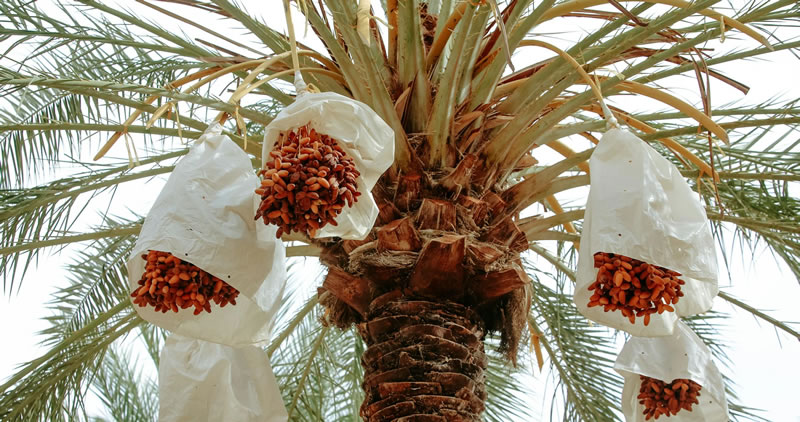
Nigeria’s diverse climate and fertile lands make it an ideal environment for date farming. This comprehensive guide aims to provide a detailed and thorough exploration of date farming in Nigeria, covering its historical roots, modern practices, opportunities, challenges, and everything in between.
Introduction to Date Farming in Nigeria
Historical Significance
Dates hold a rich history in Nigeria, dating back centuries as a staple food and symbol of prosperity. Understanding this historical context provides valuable insights into the cultural significance of date farming in the country. Dates have been a part of traditional Nigerian cuisine and culture for generations, and their cultivation has been integral to the agricultural practices of various ethnic groups.
Economic Importance
Beyond their cultural significance, dates have a significant economic impact in Nigeria. The cultivation of dates not only provides a sustainable source of income for farmers but also contributes to the country’s agricultural sector. Nigeria’s date production contributes to both domestic consumption and exports, making it an essential commodity in the nation’s economy.
The Date Palm: Nature’s Gift to Nigeria
Anatomy of a Date Palm
Understanding the anatomy of a date palm is crucial for successful cultivation. From its roots that anchor it firmly in the soil to the crown where the fruit grows, each part of the date palm plays a vital role in its growth and production of delicious dates. The roots absorb water and nutrients from the soil, while the leaves photosynthesize to provide energy for the tree.
Varieties of Dates in Nigeria
Nigeria boasts a variety of date palm species, each with its unique flavour profile, appearance, and characteristics. Farmers in Nigeria have the opportunity to cultivate a range of date varieties, including popular types like Khadrawy, Medjool, Barhi, and Deglet Noor. Understanding the characteristics of each variety is essential for farmers to make informed decisions about which types to cultivate based on market demand and environmental conditions.
Climate and soil requirements for date farming
Ideal climates for date farming
Nigeria’s diverse climate provides suitable conditions for date palm cultivation across different regions. Date palms thrive in warm, arid climates with plenty of sunlight. The northern regions of Nigeria, with their dry and hot conditions, are particularly well-suited for date farming. However, with proper irrigation and soil management, date palms can also be cultivated in more humid regions of the country.
Soil composition and preparation
The type of soil plays a crucial role in the growth and productivity of date palms. Well-drained sandy loam soils with a pH range of 6.5 to 8.5 are ideal for date cultivation. Farmers should ensure proper soil preparation, including land clearing, levelling, and adding organic matter to improve soil fertility. Soil testing is essential to determine nutrient levels and pH, allowing farmers to make informed decisions about soil amendments and fertilisation.
Propagation Methods for Date Palms
Seed Propagation
Seed propagation is the traditional method of growing date palms, but it requires patience as date palms grown from seeds take several years to mature and produce fruit. To propagate date palms from seeds, farmers should select healthy seeds from ripe dates, soak them in water for a few days, and then plant them in well-drained soil. Seedlings should be protected from extreme temperatures and pests during their early growth stages.
Offshoot Propagation
Offshoot propagation is a more efficient method of propagating date palms, as it produces genetically identical clones of the parent plant. Offshoots, also known as “pups,” are young shoots that grow at the base of mature date palms. Farmers can carefully remove these offshoots, plant them in separate containers, and nurture them until they develop strong root systems. Offshoot-propagated date palms typically begin producing fruit sooner than seed-grown palms.
Tissue Culture Technology
Tissue culture technology has revolutionised date palm propagation, allowing for the mass production of disease-free and genetically uniform date palms. This method involves culturing small sections of date palm tissue in a nutrient-rich medium under controlled laboratory conditions. Tissue-cultured date palms have a higher survival rate, uniform growth characteristics, and a reduced risk of disease. While tissue culture requires specialised equipment and expertise, it offers significant benefits for large-scale date farming operations.
Land preparation and planting
Land Selection Criteria
Selecting the right land is crucial for successful date farming. Ideal land for date cultivation should have good drainage to prevent waterlogging, ample sunlight for photosynthesis, and access to a reliable water source for irrigation. Farmers should also consider factors such as soil type, slope, and proximity to markets when choosing a location for their date farm.
Planting Techniques
Proper planting techniques are essential for the healthy establishment of date palms. Farmers should dig large planting holes, amend the soil with organic matter and fertilisers, and carefully place the date palm seedling or offshoot in the centre of the hole. The roots should be spread out evenly, and the palm should be planted at the same depth as in the nursery. After planting, the palm should be watered thoroughly to settle the soil around the roots.
Irrigation and Water Management
Importance of Irrigation
Date palms require consistent and adequate irrigation, especially during the growing season and hot, dry periods. Proper irrigation ensures that date palms receive enough water to support healthy growth and fruit production. Drip irrigation, micro-sprinklers, and flood irrigation are common methods used in date farming, with drip irrigation being the most efficient in terms of water conservation.
Water Quality Considerations
The quality of water used for irrigation is crucial for the health of date palms. Salty or brackish water can harm date palms and reduce fruit quality. Farmers should test their water sources for pH, salinity, and mineral content and use appropriate filtration and treatment methods if needed. Rainwater harvesting and groundwater recharge can also be sustainable water management practices for date farms.
Nutrient Management for Date Palms
Essential Nutrients for Growth
Date palms require a balance of essential nutrients for healthy growth and fruit production. Nitrogen, phosphorus, potassium, magnesium, and micronutrients such as iron, zinc, and manganese are vital for date palm health. Organic fertilizers, compost, and mineral fertilizers can be used to provide these nutrients to date palms.
Fertilisation Techniques
Fertilization should be done judiciously, taking into account the soil nutrient levels and the growth stage of the date palms. Split applications of fertiliser throughout the year, particularly before the growing season and after harvesting, can ensure that date palms receive the nutrients they need when they need them. Organic fertilisers, such as compost and manure, are beneficial for improving soil structure and fertility over the long term.
Pest and disease management
Common Pests in Date Farming
Date palms are susceptible to various pests that can damage leaves, stems, and fruit. The red palm weevil, spider mites, and date palm fruit flies are among the most common pests in date farming. Integrated pest management (IPM) strategies, such as the use of pheromone traps, biological control agents, and cultural practices, can help manage pest populations effectively.
Disease Prevention Strategies
Diseases such as bayoud disease, fusarium wilt, and leaf spot can impact date palm health and reduce fruit yield. Disease prevention begins with selecting disease-resistant date palm varieties and implementing good cultural practices, such as proper sanitation and pruning techniques. Fungicides and biocontrol agents can also be used to manage fungal diseases, while regular inspections and early detection are crucial for controlling the spread of diseases.
Pruning and maintenance practices
Importance of Pruning
Pruning is an essential practice in date farming to remove dead or diseased fronds, improve air circulation, and promote the growth of new fronds and fruit. Pruning should be done carefully to avoid damaging the palm and should focus on removing only the necessary fronds. Over-pruning can weaken the tree and reduce fruit production.
Tree support and maintenance
Supporting young date palms is crucial for their healthy growth and development. Staking or bracing can help prevent wind damage and ensure that the palm grows straight. Additionally, maintaining a weed-free zone around the base of the palm, applying mulch to conserve soil moisture, and protecting the palm from extreme temperatures are essential maintenance practices.
Harvesting and processing dates
Signs of maturity
Harvesting dates at the right stage of maturity is crucial for ensuring optimal flavour, texture, and sweetness. Dates should be harvested when they reach their full size, change colour (depending on the variety), and develop a slight wrinkling on the skin. Taste testing is also a reliable method to determine the readiness of dates for harvest.
Harvesting Techniques
There are several methods for harvesting dates, including handpicking, using long poles with hooks, and shaking the tree to loosen ripe fruits. Handpicking is the most common method for high-quality dates, as it allows for careful selection of ripe fruits without damaging the palm or other fruits.
Date Processing
After harvest, dates undergo processing to remove impurities, such as sand and debris, and ensure they are market-ready. The processing steps include cleaning, sorting, grading, and packaging. Dates can be dried naturally in the sun or using specialized drying equipment to extend their shelf life. Properly processed dates are then packaged in attractive and hygienic containers for sale.
Market Opportunities for Date Farmers in Nigeria
Local market demand
Nigeria’s growing population and increasing interest in healthy foods present a significant market for locally grown dates. There is a rising demand for fresh, high-quality dates in urban centres, supermarkets, and health food stores. Farmers can tap into this market by establishing direct sales channels, participating in farmers’ markets, and collaborating with retailers.
Export Potential
Nigeria’s dates have the potential to reach international markets, thanks to their quality, unique flavours, and organic cultivation practices. Exporting dates can be a lucrative opportunity for Nigerian farmers, especially to countries with high demand for dates, such as Europe, the Middle East, and Asia. However, exporting dates require compliance with international standards, proper packaging, and transportation logistics.
Challenges and Solutions in Date Farming
Climatic Challenges
Nigeria’s diverse climate presents both opportunities and challenges for date farming. Droughts, extreme temperatures, and humidity fluctuations can affect date palm health and fruit production. Farmers can mitigate these challenges by implementing efficient irrigation systems, using shade nets to protect palms from excessive heat, and selecting drought-tolerant date palm varieties.
Pest and disease management
Pests and diseases are constant threats to date palms, requiring proactive management strategies. Integrated pest management (IPM) practices, such as pheromone traps, beneficial insects, and biocontrol agents, can help minimise pest populations. Regular monitoring and early intervention are essential for preventing disease outbreaks and minimising crop losses.
Access to Technology and Resources
Limited access to modern farming equipment, quality seeds, and training resources can hinder date farming in Nigeria. Government support programmes, agricultural cooperatives, and partnerships with research institutions can provide farmers with access to improved seeds, training workshops, and technology transfer. Collaboration among stakeholders is essential for addressing these challenges and promoting sustainable date farming practices.
Conclusion: A Sweet Future for Date Farming in Nigeria
In conclusion, date farming in Nigeria holds immense promise for farmers seeking sustainable livelihoods and economic growth. From understanding the basics of date palm cultivation to overcoming challenges and tapping into market opportunities, this comprehensive guide serves as a roadmap for success.
As Nigeria’s agricultural sector continues to evolve, date farming stands out as a lucrative venture with the potential to contribute significantly to the nation’s economy. By adopting modern techniques, embracing innovation, and leveraging market demand, Nigerian date farmers can look forward to a sweet harvest and a bright future in this thriving industry.
Whether you’re a seasoned date farmer or considering venturing into this field, the information presented here equips you with the knowledge and tools to navigate the world of date farming in Nigeria with confidence. With careful planning, dedication to best practices, and a focus on sustainability, Nigerian date farmers can cultivate not just dates but a prosperous future for themselves and their communities.